Where Trump's Criminal and Civil Cases Stand as the Election Approaches
Donald Trump has been convicted in New York and faces charges in two other criminal cases, while a fourth was dismissed and is on appeal, and civil rulings have ordered him to pay more than $430 million.
By Juan Gonzalez ·
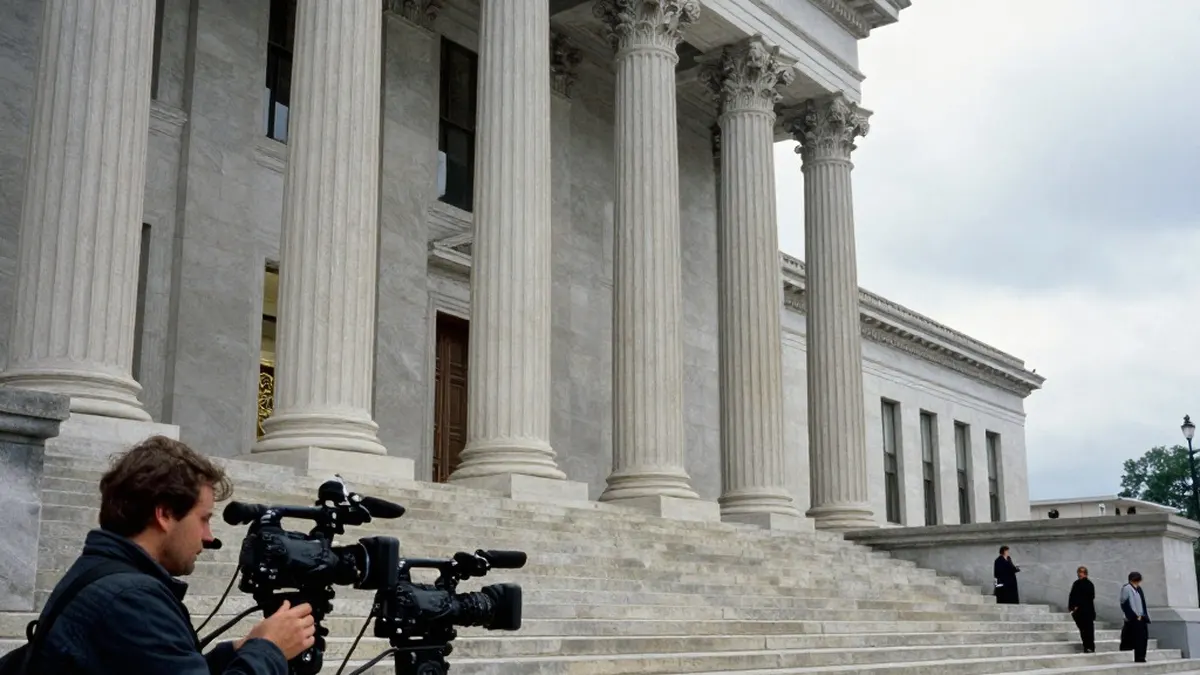
Former President Donald Trump became the first former U.S. president convicted of felony charges on May 30, when a New York jury found him guilty on all 34 counts in a hush money case. He faces 12 further charges across two other criminal cases and has pleaded not guilty to all of them. Trump, the Republican front-runner, says the investigations are partisan attempts to interfere with his bid to return to the White House.
A fourth case, with 40 counts over classified documents, was dismissed in July by Judge Aileen Cannon. Special counsel Jack Smith has appealed, which adds months to the case. The timing of the various proceedings is intertwined, and it remains unclear how they will fit into the election-year calendar. The picture changed further in July, when the Supreme Court concluded that Trump and future presidents have immunity from prosecution for official acts. Trump's lawyers are now seeking dismissal of all federal charges, arguing they overlap with his presidential duties.
In the New York case, jurors agreed with prosecutors that Trump falsified business records to influence the 2016 election. The allegations concern hush money paid to adult film star Stormy Daniels, whose legal name is Stephanie Clifford, to cover up an alleged affair. Michael Cohen, then Trump's personal attorney, agreed to pay her $130,000, and Daniels's attorney received the money less than two weeks before the election. Cohen was later reimbursed $420,000, and Trump Organization executives labeled the payments a "retainer" for "legal services," according to court records. Trump has long denied the affair and called the trial "rigged" and "disgraceful." Judge Juan Merchan moved sentencing from July to Nov. 26 and set a Nov. 12 hearing on whether to overturn the conviction in light of the immunity ruling.
The federal election interference case, which carries four charges, centers on Trump's efforts to hold onto power after losing the 2020 election. Prosecutors point to pressure on then-Vice President Mike Pence not to certify the results, a fake elector scheme involving states such as Arizona, Wisconsin and Georgia, and Trump's Jan. 6 speech telling supporters "we must stop the steal." A March 4 trial date was delayed while the Supreme Court weighed immunity. The court held that a former president has absolute immunity for core constitutional powers and a presumption of immunity for official acts, but none for unofficial acts. Judge Tanya Chutkan must now decide which of Trump's actions were official. Smith filed a superseding indictment in August, and any ruling from Chutkan is expected to be appealed to the Supreme Court, so a trial before November is not possible and one in 2025 is uncertain.
In the classified documents case, prosecutors allege Trump took part in packing secret materials when he left the White House, boasted about them and pushed his attorney to mislead law enforcement. Cannon, whom Trump appointed, dismissed the indictment because she found Smith's appointment violated the Appointments Clause of the Constitution. Smith had contested that reading, and other federal courts had upheld special counsels' constitutionality. The appeal is now before the 11th Circuit. Trump welcomed the dismissal and urged that all other cases against him be dropped too.
In Georgia, Trump and 18 allies were indicted in August 2023 over efforts to overturn the 2020 results. Fulton County District Attorney Fani Willis opened the investigation after a January 2021 call in which Trump pressed Secretary of State Brad Raffensperger to "find" enough ballots to flip the state. Willis used the state's racketeering law, and four defendants have pleaded guilty and agreed to testify. Judge Scott McAfee has twice dismissed counts, reducing Trump's charges from 13 to 8, while upholding the racketeering charge. Trump and co-defendants are seeking dismissal after Willis acknowledged a personal relationship with a lead prosecutor, who resigned in mid-March. The Georgia Court of Appeals will review that decision.
Separate efforts to bar Trump from office under Section 3 of the 14th Amendment ended on March 4, when the Supreme Court unanimously restored him to Colorado's primary ballot. The justices ruled that Congress, not the states, is responsible for enforcing that provision against federal officeholders and candidates.
Civil cases have also gone against Trump in 2024, with rulings ordering him to pay more than $430 million. On Feb. 16, a New York judge ordered Trump and his flagship organization to pay $355 million in a fraud suit brought by Attorney General Letitia James, which accused them of inflating asset values in financial statements. A jury also ordered Trump to pay writer E. Jean Carroll $83.3 million for defamation, after he denied her account that he raped her in a department store dressing room in the 1990s. It is the second such award, following a $5 million verdict last year that Trump is appealing. The Second Circuit heard that appeal on Sept. 6.
Source: KJZZ